Things to Do in Kinshasa in February
February weather, activities, events & insider tips
Low Season · Budget Friendly
February Weather in Kinshasa
Long-run averages for February
88°F (31°C)
High Temp
70°F (21°C)
Low Temp
6.5 inches (165 mm)
Rainfall
83%
Humidity
12
Sunny-Day UV
⚠ Flash flooding hits low-lying neighborhoods including Masina, parts of Limete, and areas along the Ndjili River after heavy afternoon storms. Streets can fill to knee depth within minutes, stranding vehicles and making walking dangerous. Stay in elevated areas during active storms and avoid crossing flooded roads on foot or by car.
⚠ Malaria transmission peaks during the rainy season in Kinshasa. Prophylaxis is essential, not optional, and should be prescribed by a travel health specialist before departure. Standing water from regular rains creates breeding conditions across the city that repellent alone cannot compensate for.
⚠ Lightning during February's thunderstorms is a real hazard in exposed areas. Avoid open ground, hilltops including the area around Mont Ngaliema, and the riverfront during active electrical storms. Kinshasa's storms build fast and the interval between first rumble and direct overhead strike can be as short as ten minutes.
Making the most of February in Kinshasa? Browse tours and activities in Kinshasa on GetYourGuide.
Is February Right for You?
Weigh the advantages and considerations before booking
Advantages
- + Peak tropical fruit season floods Kinshasa's markets with mangoes, papaya, and passion fruit at their sweetest. Street vendors along Avenue de la Victoire pile them in head-high pyramids. The perfume hangs in humid air for half a block. Go early. The best fruit sells fast.
- + Kinshasa's live rumba and soukous music scene already dominates Central Africa. February intensifies everything. Rainy evenings push crowds indoors to Matonge and Bandal clubs. The density and energy outmatch dry-season nights. This is when the city moves.
- + Low tourist numbers help. Lola Ya Bonobo sanctuary runs at a fraction of dry-season capacity. River excursions on Malebo Pool feel closer to private charters. Group tours disappear. You get space. You get quiet. Book now.
- + Months of rain transform Kinshasa's surrounding landscape into deep green. The Congo River runs wide and muscular through Malebo Pool. Zongo Falls reaches near-peak flow. You hear the roar before the gorge appears. Worth the drive.
Considerations
- − Afternoon thunderstorms hit between 2 PM and 5 PM. They dump enough water to flood unpaved roads. Vehicles strand for hours across Masina and parts of Limete. Outdoor plans compress into morning-only windows. Plan accordingly.
- − Heat hits 31°C (88°F). Humidity reaches 83%. Walking drains you by midday. Short distances soak clothing through. Shade barely helps. Move early. Move slow. Hydrate constantly.
- − Heavy rains strain infrastructure. Power outages strike. Mobile data fails. Roads beyond Gombe deteriorate from challenging to impassable. Some routes flood to knee depth within minutes. Carry cash. Carry patience.
Settled on February? Compare hotel prices in Kinshasa for your dates on Trip.com.
Best Activities in February
Top things to do during your visit
Kinshasa in February sits deep in the wet season, though the rains arrive with less force than what March and April will bring. Afternoon temperatures climb to around 31 degrees Celsius, and the air barely cools overnight, hovering near 21 degrees even after dark. Expect roughly 165 millimetres of rain across the month, most of it falling in sharp, theatrical downpours that sweep through the city in the late afternoon, hammering corrugated rooftops with a metallic roar before clearing to leave the streets steaming and the sky bruised violet at dusk. Mornings often open bright and hot, and that window between dawn and early afternoon is when Kinshasa moves fastest: markets along the Boulevard du 30 Juin pile high with mangoes and papayas at the peak of their season, their syrupy sweetness thickening the air around the stalls. The Congo River runs brown and swollen, carrying whole islands of water hyacinth past the Gombe waterfront, and fishermen in pirogues work the eddies close to shore where the current slackens. For travellers arriving from cooler climates, the heat is the first thing that registers, a thick, wet warmth that meets you on the tarmac at N'djili Airport and never quite lets go. Kinshasa's restaurants and street-food vendors operate year-round, and February finds the grilled-fish sellers along the Matonge district's side streets fanning their charcoal braziers through the post-rain humidity, the smoke carrying the sharp, peppery scent of pili-pili marinade. Nightlife in Kinshasa peaks on weekends, with live rumba and ndombolo echoing from open-air bars in Bandal and Matonge well past midnight, the bass lines vibrating through plastic chairs set out on cracked concrete. Safety in Kinshasa requires the same urban awareness as any major African capital: stick to known neighbourhoods after dark, arrange transport through your hotel or a trusted driver, and carry only what you need. Hotels in Kinshasa range from international chains along the Boulevard du 30 Juin to smaller guesthouses in the Gombe district, and February occupancy tends to be moderate, so booking flexibility is usually on your side. What makes February distinct from the dry months of June through August is the green. The city's flame trees and frangipani are in full leaf, their canopy softening the concrete edges of Kinshasa's sprawl, and the surrounding hills glow an almost electric green after each rain. The river is high enough to make boat excursions dramatic, and wildlife sanctuaries outside the city benefit from lush vegetation that draws primates closer to feeding stations. This is not a month to fight the weather. It is a month to work with it, planning outdoor excursions for the morning and letting the afternoon storms become part of the spectacle.

Exclusive Lola Ya Bonobo Sanctuary Tour
private_tourThe Exclusive Lola Ya Bonobo Sanctuary Tour takes you roughly thirty kilometres southeast of central Kinshasa to the world's only bonobo sanctuary, set within a pocket of dense equatorial forest where the canopy filters the morning light into shifting green columns. You walk raised boardwalks and forest trails while bonobos crash through branches overhead, their high-pitched calls cutting through the insect hum, and at feeding time the keepers scatter sugarcane and papaya across a clearing where mothers nurse infants no bigger than a forearm. The sanctuary operates as a rescue and rehabilitation centre, and the guides, many of whom have worked here for over a decade, explain each animal's history with an intimacy that transforms the visit from zoo-like observation into something closer to introduction.
This is the only place on earth where orphaned bonobos, humanity's closest living relatives alongside chimpanzees, are rehabilitated in their native habitat, and seeing them move through forest they will eventually be released into is profoundly different from any captive-primate encounter.
Insider tip: Arrive when the sanctuary opens rather than midday. The bonobos are most active during the morning feeding session, and the forest trails are far more comfortable before the heat builds and the afternoon rain threatens.
This month: February's rains keep the sanctuary's forest floor muddy and the streams running, so wear shoes with solid grip and expect slippery boardwalks. The upside is that the lush canopy and active streams draw the bonobos closer to the trails.

Gorilla Full Day in Lesio Luna Reserve From Brazzaville
day_tripThe Gorilla Full Day in Lesio Luna Reserve begins with a crossing of the Congo River from Brazzaville and pushes into lowland forest where western lowland gorillas have been reintroduced into a protected reserve. The boat ride alone sets the tone: the river is enormous here, more than four kilometres wide, and the pirogue cuts through rafts of hyacinth while the skyline of Kinshasa recedes behind you and the forested bank of the Republic of Congo sharpens ahead. Once in the reserve, a tracker leads your small group along narrow trails where the air smells of wet leaf litter and decomposing fruit, and the gorillas, when you find them, are close enough that you can hear the low rumble of a silverback's contentment as he strips bark from a branch.
Encountering western lowland gorillas in a reintroduction reserve just across the river from a city of fifteen million people is a contrast that exists nowhere else on the continent.
Insider tip: Carry a dry bag for your camera and phone. The river crossing can splash equipment, and the forest interior drips constantly in February even between storms.
This month: The reserve's vegetation is at its densest in February, which can make gorilla sightings require more patience on the trails. But the animals tend to stay lower in the canopy and closer to clearings when fruit is abundant.

3 days Kinshasa Congo River and N'sele park experience
guided_experienceThe three-day Kinshasa, Congo River, and N'sele Park experience stitches together the city, the river, and the savannahs east of town into a single guided arc that captures what makes this corner of Central Africa unlike anywhere else. Day one walks you through Kinshasa itself, from the sharp-smelling fish markets of Kinkole to the wide, echoing halls of the National Museum, where Kuba textiles and Luba carved figures sit behind glass in rooms that smell faintly of wood polish and humidity. The Congo River portion puts you on the water at a time of year when the current is powerful and the banks are fringed with green so bright it looks painted, and the N'sele Valley section opens into rolling grassland where cattle egrets lift in white clouds from the tall grass as your vehicle passes.
This is the only multi-day itinerary that connects Kinshasa's urban intensity, the Congo River's raw scale, and the quiet grasslands of N'sele into a single coherent journey rather than isolated day trips.
Insider tip: Pack a light rain jacket that breathes. The river segments and open-vehicle savannah drives leave you exposed when an afternoon squall rolls through, and Kinshasa's humidity means anything waterproof but unventilated becomes unbearable within minutes.
This month: The Congo River runs high in February, which makes the boat segments more dramatic but can occasionally shift departure times if water levels affect the embarkation point near Kinkole.

4 days Zongo falls, Bonobos and Kinshasa city experience
guided_experienceThe four-day Zongo Falls, Bonobos, and Kinshasa City experience is the most ambitious itinerary available and earns its length. Zongo Falls, roughly 130 kilometres northwest of Kinshasa, drops the Inkisi River nearly sixty metres over a basalt ledge into a churning pool where the mist soaks your skin from twenty metres away and the roar drowns out conversation. The road there passes through villages where cassava leaves dry on woven mats in doorways and palm wine tappers shimmy up trunks with nothing but a belt of woven fibre, and arrival at the falls themselves feels remote despite the relative proximity to the capital. The bonobo sanctuary day mirrors the dedicated tour but benefits from being woven into a longer narrative, so by the time you return to Kinshasa for the city portion, the contrast between deep forest and twelve-lane boulevard hits harder.
Zongo Falls is one of Central Africa's most powerful single-drop waterfalls, and combining it with a bonobo sanctuary visit and a Kinshasa city tour in one itinerary eliminates the logistical burden of arranging each segment independently.
Insider tip: The road to Zongo can be slow after heavy rain, with sections of red laterite turning slick. Confirm your departure time the evening before with your guide, who will know whether the morning route is passable or whether an earlier start is needed to account for detours.
This month: February's rainfall feeds Zongo Falls to near-peak volume, making the cascade visibly more powerful than during the dry months of June through August, when flow can drop noticeably.
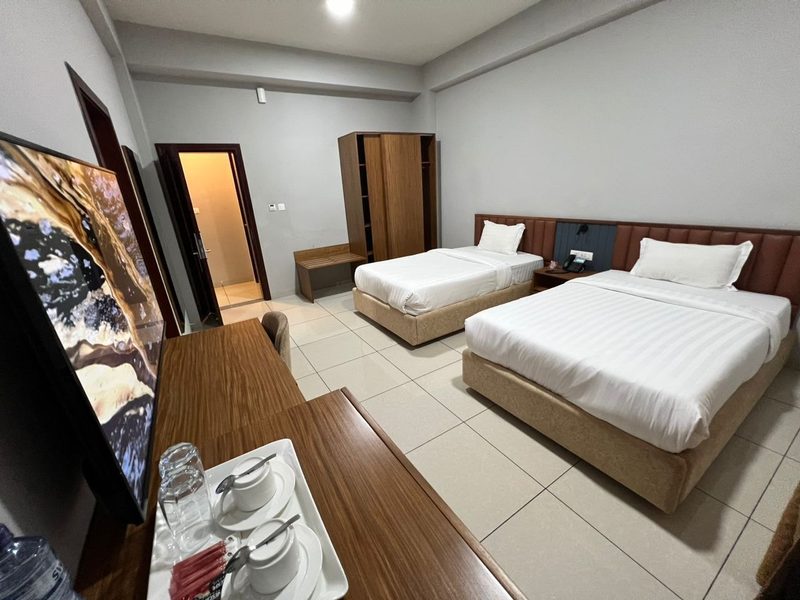
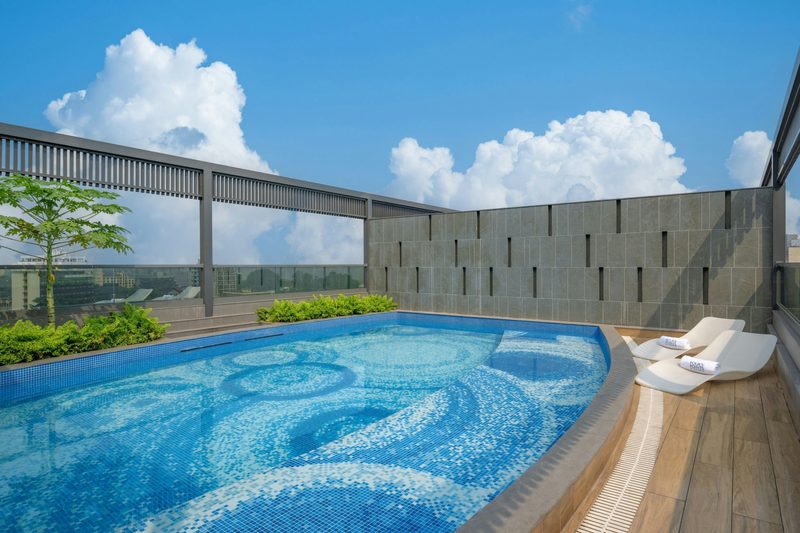
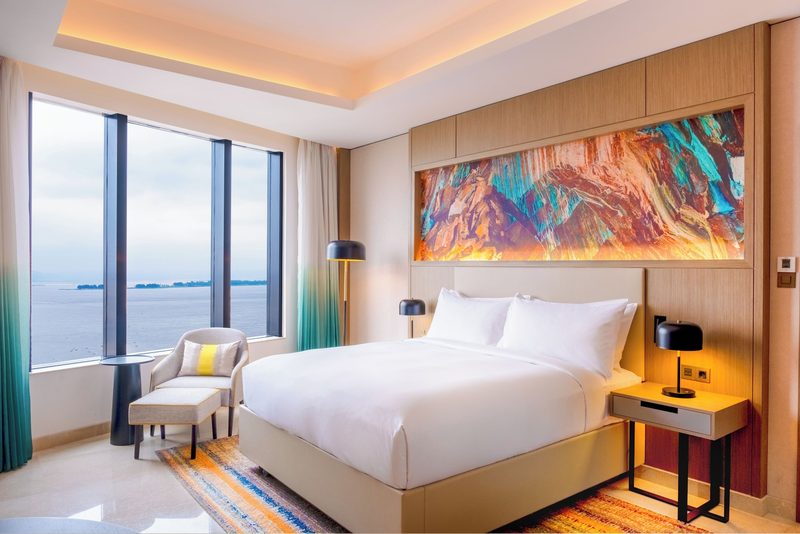
Where to Stay in Kinshasa in February
Hand-picked hotels across price tiers for February travellers.
Packing Checklist
Bookmark this page — your progress is saved between visits
Need the full list with shopping links?
Climate-specific gear, brand recommendations, and what to leave at home.
View Kinshasa Packing List →Essential Tips
Insider knowledge and common pitfalls to avoid
Insider Knowledge
Kinshasa runs on two currencies simultaneously. Congolese francs handle everyday purchases at markets and street stalls, while US dollars cover anything above a few dollars and most formal businesses. Carry both in small denominations. Trying to break a large bill at a street stall leaves you waiting while the vendor searches neighboring stalls for change, and the delay attracts attention you do not want.
The SAPE subculture, the Societe des Ambianceurs et des Personnes Elegantes, is Kinshasa's most distinctive cultural phenomenon and it is not a performance for tourists. On weekends in Matonge, men in hand-tailored three-piece suits, patent leather shoes, and coordinated accessories walk the streets with choreographed swagger despite 31 degrees C (88 degrees F) heat. This has been going on for decades. Photographing them is usually welcome if you ask first and show genuine interest rather than treating them as spectacle.
Traffic in Kinshasa redefines the concept. What looks like a 5 km (3.1 mile) journey on a map can take 90 minutes on Boulevard du 30 Juin during peak hours, and after afternoon storms flood key intersections, vehicles simply stop. Schedule anything important for the morning and build two hours of buffer into any afternoon timeline. Hiring a driver for the day is not a luxury here, it is basic logistics.
The street food economy along Avenue de la Victoire and around Rond-Point Victoire is where Kinshasa feeds itself, and the grilled capitaine fish, pulled from the Congo River, butterflied and charred over wood coals, served with chikwangue and a searing pili-pili sauce, outperforms most of what formal restaurants charge several times more for. The smell of charcoal and grilling fish starts building around 5 PM and carries several blocks. Point at what looks good, eat with your hands, and do not mistake informality for lesser quality. The pondu, slow-cooked cassava leaves pounded to a thick green paste with palm oil and smoked fish, is the other dish that defines the city. It tastes like nothing you have eaten before: earthy, slightly bitter, rich from the oil, with a depth that takes three bites to register.
Avoid These Mistakes
Photographing government buildings, military installations, or uniformed personnel. This draws immediate and aggressive attention from security forces and can result in your camera or phone being confiscated on the spot. Keep the lens pointed at the river, the markets, the music, and the Sapeurs. When in doubt about whether something is sensitive, it probably is.
Assuming you can walk between neighborhoods. Kinshasa sprawls across a vast urban area, and even destinations that look close on a map are separated by traffic-choked arterials with no sidewalks and no pedestrian infrastructure. Hire a driver for the day or negotiate taxi fares at the start of each trip, not at the end. Walking is fine within Gombe or Matonge but not between them.
Exchanging money with freelance changers who approach you on the street. The rates look better than the banks, but short-counting and counterfeit bills are common enough that locals avoid them too. Use banks in Gombe or established bureaux de change at major commercial intersections. The slight rate difference is the price of keeping your money.
Short on time? See day trips around Kinshasa on GetYourGuide.
Ready to plan your trip to Kinshasa?
Now that you've got the research covered, here's where to go next.
Explore More Activities in Kinshasa
Didn't see anything interesting yet?
Browse Viator's full catalog of tours, day trips, food experiences, and private guides in Kinshasa.
See All Kinshasa Tours on Viator