Things to Do in Kinshasa in November
November weather, activities, events & insider tips
Low Season · Budget Friendly
November Weather in Kinshasa
Long-run averages for November
87°F (30°C)
High Temp
70°F (21°C)
Low Temp
9.7 inches (246 mm)
Rainfall
85%
Humidity
12
Sunny-Day UV
⚠ Flash flooding hits low-lying neighborhoods fast. Limete, Masina, and areas along the N'djili River basin can turn roads impassable within an hour of heavy downpour. Skip ground-floor rooms in flood-prone zones. Check drainage conditions before you commit to any neighborhood.
⚠ Peak malaria transmission season aligns with November's standing water. Prophylaxis is essential. Not optional. Consult a travel medicine specialist before departure. Carry your full course of antimalarials.
⚠ Intense lightning accompanies most November thunderstorms. Kinshasa sits in one of the highest-lightning-frequency zones on the planet. Avoid open ground, hilltops, and exposed waterfront areas when storms build. Get indoors before the first cracks arrive.
Making the most of November in Kinshasa? Browse tours and activities in Kinshasa on GetYourGuide.
Is November Right for You?
Weigh the advantages and considerations before booking
Advantages
- + Zongo Falls hits peak flow in November, the Inkisi River swollen by months of accumulated rain into a roaring curtain of white water that makes dry-season visits look like a garden hose by comparison. The surrounding forest canopy is impossibly green, the kind of saturated emerald you only get in equatorial Central Africa at full monsoon. Go now.
- + Lola Ya Bonobo Sanctuary's resident apes are visibly more active and social in the warm, wet months. November's humidity and ripe fruit abundance mean the bonobos spend more time in the open, grooming, playing, chasing each other through the trees rather than retreating to shade. You are likely to see behaviors the dry-season visitor simply misses. Timing matters.
- + Kinshasa's live music circuit, centered on the clubs and open-air stages of Matonge, runs hotter when the rain drives crowds indoors. November evenings in Matonge have a particular energy: the downpour hammering the tin roofs outside while a rumba band locks into a twelve-minute sebene inside, the room dense with body heat and cigarette smoke and the sweet malt smell of Primus beer. Stay late.
- + Accommodation availability loosens in November. Business travelers and diplomatic visitors, who drive most of Kinshasa's hotel demand, tend to thin out during the heaviest rain months. That translates to better room selection and more willingness to negotiate, in the Gombe district where rates are otherwise stiff year-round. Ask for discounts.
Considerations
- − November delivers 246 mm (9.7 inches) of rain, making it one of Kinshasa's two wettest months alongside April. Afternoon thunderstorms tend to arrive between 2 PM and 5 PM with startling force: lightning cracks across the sky, gutters overflow within minutes, and low-lying roads in neighborhoods like Limete and Masina can flood knee-deep. Your daily planning needs to account for a two-to-three-hour window where outdoor movement becomes difficult. Plan accordingly.
- − The 85% humidity layered on top of 30°C (87°F) highs creates a thick, clinging heat that saps energy faster than the temperature alone would suggest. Walking any distance at midday leaves you drenched in sweat, and the air conditioning in Kinshasa is inconsistent outside the Gombe business district. Hydration discipline is not optional. Drink constantly.
- − Peak rainy season is also peak mosquito season. Standing water accumulates in every pothole and drainage ditch across the city, and malaria transmission risk rises measurably. You need to have started antimalarials before arrival and pack serious repellent, not as a suggestion but as a baseline requirement. No exceptions.
Settled on November? Compare hotel prices in Kinshasa for your dates on Trip.com.
Best Activities in November
Top things to do during your visit
November arrives in Kinshasa with the full weight of the wet season. Afternoon downpours roll across the city most days, dropping nearly 250 millimetres of rain over the month and turning the ochre laterite roads of Masina and Kimbanseke into slick, rust-coloured streams. Mornings often start deceptively bright, the air thick and warm at around 30 degrees Celsius, with the sharp green scent of soaked earth rising from every unpaved lot. By early afternoon the sky bruises over, thunder rumbles across the Congo River, and the rain falls in curtains dense enough to blur the far shore of Brazzaville. Then, as suddenly as it began, the storm passes: puddles flash silver under returning sun, and the city exhales in a rush of steam. Travellers who time their outings for the first half of the day, before the rains typically build, will find Kinshasa cooperative and even generous with its light, the wet-season greenery sharpening the contrast between the city's concrete towers and its irrepressible vegetation. The rhythm of wet-season Kinshasa shapes everything. Nightlife along the Boulevard du 30 Juin picks up after dark, when the air cools to around 21 degrees and the pavement still radiates the day's stored heat. Restaurants in Gombe serve grilled capitaine fish and saka-saka, the pounded cassava leaves slick with palm oil and fragrant with dried fish and crushed peanut. Street vendors sell roasted plantain whose caramelised edges crackle between your teeth. The city's musical pulse, rumba and ndombolo spilling from open-air bars, carries further through the humid evening air than it would in the dry months. Kinshasa's accommodation options range from international-standard hotels in Gombe to more modest guesthouses in outlying communes. Booking ahead is wise during the rains, as flight delays can strand travellers and fill rooms unpredictably.

Exclusive Lola Ya Bonobo Sanctuary Tour
private_tourThe Exclusive Lola Ya Bonobo Sanctuary Tour takes you roughly thirty kilometres southeast of central Kinshasa to the world's only bonobo sanctuary, set among forested hills where the canopy drips after each November rain. You walk shaded trails while bonobos swing overhead, their high-pitched calls ricocheting off the wet leaves, and watch nursing mothers cradle infants close to their chests with an attentiveness that feels uncomfortably human. The sanctuary rehabilitates orphaned bonobos, victims of the bushmeat trade, and seeing the animals up close, smelling the damp mulch of the forest floor and hearing the crack of branches as a juvenile leaps between trees, brings the conservation stakes into visceral focus.
This is the only place on Earth where you can observe bonobos, humanity's closest living relatives alongside chimpanzees, in a semi-wild rehabilitation setting, guided by the caretakers who raised them from infancy.
Insider tip: Arrive at the sanctuary by mid-morning, before the daily feeding session, when the bonobos are most active and visible in the lower canopy. Afternoon heat and rain push them deeper into cover.
This month: November rains make the forest trails muddy and slippery. Waterproof shoes with grip are essential, and the lush canopy at peak green means bonobos stay closer to lower branches, often improving visibility.

Gorilla Full Day in Lesio Luna Reserve From Brazzaville
day_tripThe Gorilla Full Day in Lesio Luna Reserve departs from Brazzaville, across the Congo River from Kinshasa, and plunges you into one of Central Africa's lesser-known gorilla habitats. The reserve protects western lowland gorillas in dense equatorial forest where the undergrowth crackles with insects and the air smells of decomposing leaves and wet bark. Tracking through this terrain, you hear the low rumble of a silverback's chest-beat before you see him, a sound that travels through the forest floor and into your ribcage. The crossing from Kinshasa to Brazzaville by ferry adds its own drama: the wide, silt-heavy Congo churning beneath you, pirogues threading past, the skyline of one capital fading as the other sharpens.
A rare chance to track western lowland gorillas in a reserve that sees a fraction of the visitors drawn to East Africa's mountain gorilla parks, with the added novelty of crossing the world's only border between two national capitals by river.
Insider tip: Arrange your Congo-Brazzaville visa well in advance, as the border crossing requires documentation that cannot be obtained same-day; your tour operator should confirm current requirements. But do not assume a Kinshasa visa covers the Republic of Congo side.
This month: November's wet conditions make forest trails demanding. Expect knee-deep mud in sections and bring quick-drying clothing, as humidity and intermittent rain mean nothing dries on its own.

3 days Kinshasa Congo River and N'sele park experience
guided_experienceThe 3 Days Kinshasa Congo River and N'sele Park Experience spreads across the city and its eastern outskirts, combining the urban energy of Kinshasa with the wide quiet of the Congo River and the grasslands of N'sele Park. You spend time on the river itself, where the water in November runs high and fast and the surface glints like hammered tin under the morning sun, before the clouds roll in. N'sele Park, once a presidential domain, opens into savanna where tall grasses hiss in the wind and you can hear birdsong, the rattling trill of weavers and the whistle of bee-eaters, uninterrupted by the traffic noise that defines central Kinshasa. The experience threads these contrasts together: the smoky, charcoal-scented streets of the city's markets, the cool mineral smell of the river at dawn, and the open silence of the park.
This multi-day itinerary compresses Kinshasa's three distinct landscapes, dense city, continental river, and savanna parkland, into a single guided arc that no day trip can replicate.
Insider tip: Pack a dry bag for the river segment. Even on a calm day, spray from the boat soaks electronics and documents, and November squalls can appear with little warning.
This month: The Congo River's November water levels are among the highest of the year, making the current faster and the river wider. This changes the character of the boat journey from a gentle cruise to something more muscular and dramatic.

4 days Zongo falls, Bonobos and Kinshasa city experience
guided_experienceThe 4 Days Zongo Falls, Bonobos and Kinshasa City Experience pushes beyond the capital to Zongo Falls, a 65-metre cascade about 130 kilometres northwest of Kinshasa, before circling back through the bonobo sanctuary and the city itself. At Zongo, the water plummets off a basalt ledge into a gorge where the mist hangs permanently, cool against your face and tasting faintly of iron and wet stone. The sound is a constant low roar that drowns conversation and vibrates through the viewing platform underfoot. Back in Kinshasa, the city portion of the itinerary takes you through the Academie des Beaux-Arts neighbourhood, past the National Museum of Congo, and into the markets of Marche Central, where stacked pyramids of smoked fish and mounds of fiery pili-pili peppers assault the nose before you round the first corner.
This four-day arc pairs one of Central Africa's most powerful waterfalls with the intimacy of the bonobo sanctuary and the raw, unfiltered energy of Kinshasa itself, a combination no other itinerary in the region assembles.
Insider tip: The road to Zongo Falls deteriorates significantly in the wet season. Confirm your operator's vehicle choice before departure, as anything less than a high-clearance four-wheel-drive risks getting stuck on the laterite stretches, which turn to red clay soup after overnight rain.
This month: November rains swell Zongo Falls to peak volume. The cascade is visibly more powerful than in the dry months, and the surrounding forest canopy is at its densest green, though the trade-off is a more challenging drive.
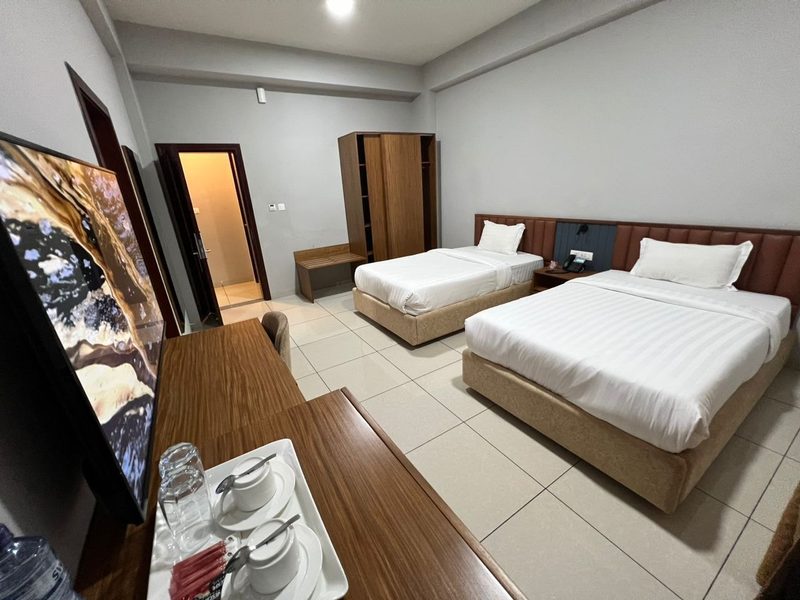
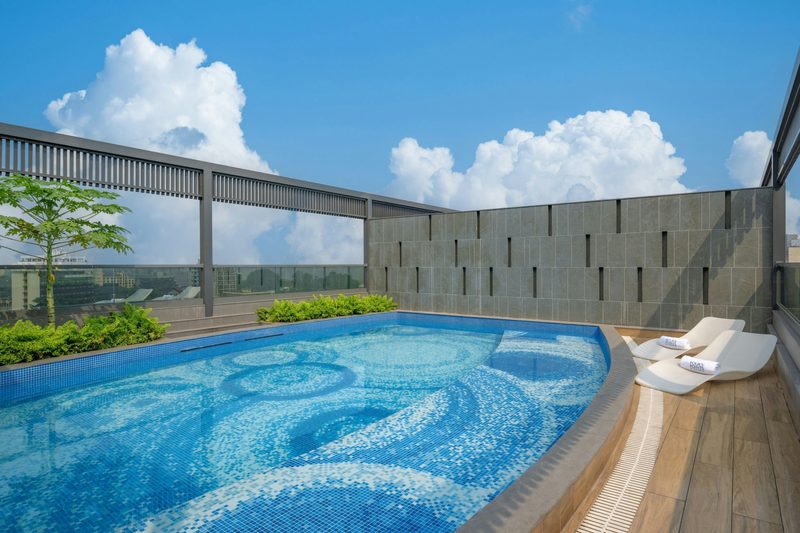
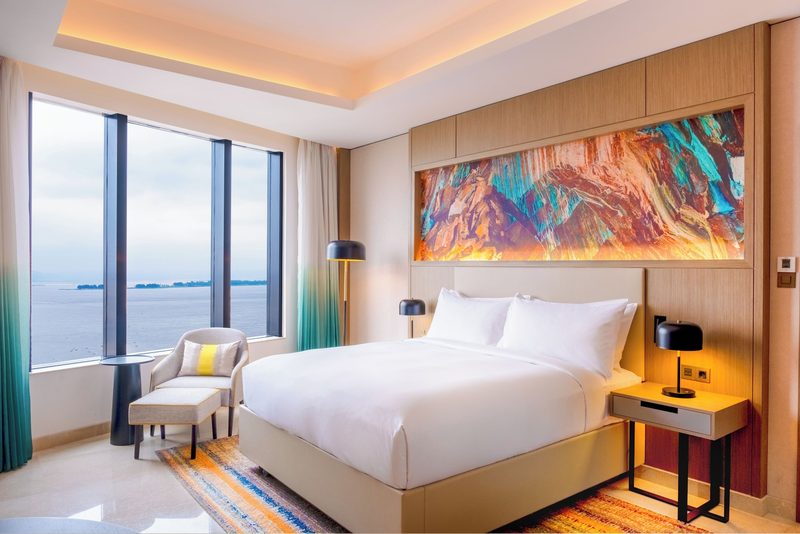
Where to Stay in Kinshasa in November
Hand-picked hotels across price tiers for November travellers.
Packing Checklist
Bookmark this page — your progress is saved between visits
Need the full list with shopping links?
Climate-specific gear, brand recommendations, and what to leave at home.
View Kinshasa Packing List →Essential Tips
Insider knowledge and common pitfalls to avoid
Insider Knowledge
Front-load outdoor plans before noon. November storms build after 2 PM, but mornings stay clear, warm, and luminous, with gold light slanting through river haze. Visit the Academie des Beaux-Arts early, when courtyard studios buzz with working artists. The National Museum of the Congo on Mont Ngaliema also rewards morning visits. Its traditional masks and carved figures deserve attention without midday heat crushing the building's minimal ventilation.
Learn basic Lingala. French alone falls short. Mbote (hello) and matondo (thank you), even badly pronounced, warm every interaction. Kinshasa speaks Lingala first, French second. The effort shows respect. A flat negotiation becomes a laughing exchange with a taxi driver. Often just those two words.
Negotiate taxi fares before entering. Lock down the route too. Kinshasa has no working meters, and November floods worsen traffic jams, potentially doubling fares mid-ride. Locals navigate by fixed-price routes between major intersections: Gombe to Matonge, Matonge to Marche Central, Central Market to Gare Centrale roundabout. Learn these. Your negotiations start from local knowledge.
Safety here depends on awareness and timing, not blanket avoidance. Gombe's business district and main boulevards handle daylight well. Matonge at night crowds with life, which protects. Approach peripheral communes like Masina and Kimbanseke more cautiously after dark. Sparse streetlighting and foreigner visibility raise risk. Travel with local contacts post-sunset. Hide valuables. Trust gut feelings about wrong-feeling streets. Kinshasa rewards attention.
Avoid These Mistakes
Do not underestimate traffic. Ten kilometers (6.2 miles) takes over an hour dry, twice that when November floods intersections. Travelers scheduling morning sanctuary visits, afternoon markets, and evening Matonge instead watch brake lights all day. Pick two activities daily. Build buffer time. Accept the commute as experience.
Pack for rain, not just heat. November visitors arriving with only shorts and sandals spend first afternoons soaked, shivering under awnings, regretting choices. Storms drop temperatures fast, from 30°C (87°F) to low 20s Celsius (low 70s Fahrenheit) within an hour. Wet clothes turn cold.
Do not assume Nairobi or Cape Town infrastructure. Kinshasa lacks hop-on buses, marked walking circuits, and reliable ride-hailing in most neighborhoods. Arriving without prearranged transport and a local fixer, whether through organized tours or personal contacts, strands you at your accommodation. Arrange ground logistics before arrival. Not after.
Short on time? See day trips around Kinshasa on GetYourGuide.
Ready to plan your trip to Kinshasa?
Now that you've got the research covered, here's where to go next.
Explore More Activities in Kinshasa
Didn't see anything interesting yet?
Browse Viator's full catalog of tours, day trips, food experiences, and private guides in Kinshasa.
See All Kinshasa Tours on Viator