Things to Do in Kinshasa in October
October weather, activities, events & insider tips
Low Season · Budget Friendly
October Weather in Kinshasa
Long-run averages for October
87°F (31°C)
High Temp
70°F (21°C)
Low Temp
3.9 inches (99 mm)
Rainfall
75%
Humidity
12
Sunny-Day UV
⚠ October brings the rainy season back after four dry months. Afternoon thunderstorms hit hard. They dump heavy rain in bursts lasting one to two hours. Streets flood fast in low-lying quartiers. Masina, Kimbanseke, and parts of Limete suffer worst. Drainage there is absent or overwhelmed. Plan outdoor activities for the morning. Keep afternoons flexible.
⚠ Malaria transmission spikes as standing water expands mosquito breeding habitat across the city. Plasmodium falciparum dominates the Kinshasa region. It is the most dangerous malaria parasite. Begin prophylaxis before arrival. Use DEET-based repellent rigorously from dusk onward. Do not skip this.
⚠ Equatorial sun plus 75% humidity after morning rain produces effective heat above the measured 31°C (87°F) high. Drink water constantly. Seek shade between noon and 3 PM. Dehydration strikes fast when you sweat through 75% humidity without a breeze. Do not underestimate this.
Making the most of October in Kinshasa? Browse tours and activities in Kinshasa on GetYourGuide.
Is October Right for You?
Weigh the advantages and considerations before booking
Advantages
- + October catches Kinshasa in a narrow window between the parched haze of dry season and November's full deluge. The early rains, falling mostly as afternoon thunderstorms, scrub the dust and diesel from the air and turn the city's battered tree canopy lush again within weeks. Mornings tend to be clear, warm, and pleasant for walking.
- + Tourist traffic, already thin by any global standard, drops further in October. At Lola Ya Bonobo, the world's only bonobo sanctuary, you are likely to share the forest trail with a handful of researchers and primatologists rather than a camera-wielding tour group. The intimacy changes the experience entirely.
- + The Congo River is rising from its September low, gaining enough volume to make boat excursions more scenic and navigable without the muscular flood current that makes December through March crossings white-knuckled. The view across to Brazzaville, just 1.6 km (1 mile) of brown water away, sharpens as the seasonal haze lifts.
- + Kinshasa's live-music circuit, the heartbeat of a city that invented Congolese rumba, hits a sweet spot in October. Cooler post-rain evenings draw bigger neighbourhood crowds to the open-air stages in Matonge and Bandal, and the energy of a full outdoor concert where the audience dances harder than the band is something you feel through the soles of your shoes.
Considerations
- − Afternoon storms arrive fast and hit hard. When 99 mm (3.9 inches) of rain falls unevenly across the month, some days dump their share in a single two-hour cloudburst that turns streets into temporary rivers. Roads in Masina, Kimbanseke, and other low-lying quartiers flood within minutes, and taxi drivers refuse those routes until the water drains, stranding plans without warning.
- − Malaria risk climbs as standing water accumulates in gutters, construction sites, and empty lots across the city. Kinshasa sits in a year-round transmission zone for Plasmodium falciparum, the most dangerous strain, and October's returning rains expand mosquito breeding habitat significantly. Prophylaxis is not a suggestion here. It is a hard prerequisite.
- − Kinshasa remains one of the most logistically demanding capitals in Africa regardless of season. Accommodation clusters around overpriced business hotels in Gombe, road surfaces outside the centre deteriorate quickly when wet, and the sort of spontaneous wandering that works in Nairobi or Dakar requires more caution and local knowledge here. A fixer or experienced local guide is not a luxury. It is how Kinshasa functions for outsiders.
Settled on October? Compare hotel prices in Kinshasa for your dates on Trip.com.
Best Activities in October
Top things to do during your visit
October in Kinshasa arrives as a pivot between seasons. The long dry stretch from June through August, when rainfall barely registered and the city sat under a pale, haze-dimmed sky, is over. September brought the first tentative storms, and now October pushes the monthly total to around 3.9 inches. Afternoons darken fast: towering cumulonimbus clouds pile up over the Congo River, and within minutes the warm air splits open into short, hard downpours that send streams of red-brown water through Kinshasa's unpaved side streets. The smell of wet laterite mingles with woodsmoke and the sharp tang of grilled plantain from the women frying makemba along Boulevard du 30 Juin. Highs hold steady near 87°F, and the mornings start warm, around 70°F, so the heat never relents. But the rain cools the dust and draws green back into the roadside acacias and mango trees. This is Kinshasa between the extremes: not yet the deluge of November, when nearly ten inches will fall and flood the low-lying communes. But no longer the bone-dry calm that makes July and August feel almost temperate. Locals call it the petite saison des pluies, the early rains. The rhythm of the city shifts accordingly. Restaurants along the Gombe waterfront fill in the evenings once the afternoon storms pass, tables spilling onto terraces slick with rain, the river catching the last copper light beyond Brazzaville's skyline across the water. Markets at Marché Central hum through the cooler morning hours, and the Congo River itself, the second largest in Africa by discharge, begins its slow seasonal rise, the current thickening with sediment washed down from the interior. For travelers, October has a practical window: the rains are frequent but not constant, trails in the surrounding reserves remain passable, and the return of green foliage and active birdlife transforms excursions outside the city into something richer than what the dry months can deliver. Kinshasa itself, a city of more than fifteen million, does not slow down for any season. The sound of Congolese rumba leaks from speakers propped in shop doorways across Matonge, mixing with the diesel growl of yellow minibuses that thread every boulevard. The best way to experience the capital in October is to work outward, start in the city's own neighborhoods, then let the Congo River, the surrounding forests, and the volcanic landscapes to the east pull you into the wider country. The four experiences below do exactly that, moving from a primate sanctuary on Kinshasa's edge to multi-day journeys that take in waterfalls, river life, and lowland gorillas across the border.

Exclusive Lola Ya Bonobo Sanctuary Tour
private_tourThe Exclusive Lola Ya Bonobo Sanctuary Tour takes visitors into the world's only bonobo sanctuary, set in a tract of dense equatorial forest about an hour's drive south of central Kinshasa. The sanctuary shelters orphaned bonobos, the smaller, more socially complex relatives of chimpanzees found only in the Democratic Republic of the Congo, across large forested enclosures where they forage, groom, and vocalize in troops. Walking the shaded paths, you hear their high-pitched calls ricocheting through the canopy while leaf litter crunches underfoot, and the air smells thickly of damp earth and fruiting figs. This is a private tour, so the pace is yours: guides who have worked with the bonobos for years narrate the individual histories and social hierarchies of each troop, and feedings happen close enough that you catch the wet crack of a bonobo splitting open a sugarcane stalk.
This is the only place on Earth where you can observe bonobos, an endangered great ape endemic to the DRC, in a semi-wild forest setting with expert naturalists who know each animal by name.
Insider tip: Arrive by mid-morning, before the heat peaks. The bonobos are most active and vocal during the first feeding session, and the forest canopy keeps the trails cool early in the day.
This month: October's returning rains green the sanctuary's forest and increase bonobo foraging activity, though afternoon showers can make the unpaved access road muddy, a vehicle with clearance is worth arranging.

Gorilla Full Day in Lesio Luna Reserve From Brazzaville
day_tripThe Gorilla Full Day in Lesio Luna Reserve From Brazzaville sends you across the Congo River to the Republic of Congo's side, where the Lesio-Louna Reserve protects reintroduced western lowland gorillas in a landscape of savanna grassland, gallery forest, and papyrus-choked river margins. The crossing itself is an experience: a pirogue or speedboat cuts through the wide brown current of the Congo, with Kinshasa's towers shrinking behind you and Brazzaville's quieter skyline growing ahead. In the reserve, you track gorillas on foot through tall, dew-soaked grass that brushes your shoulders, listening for the deep grunts and chest-beats of silverbacks before you see them, then suddenly you are standing twenty meters from a family group feeding on wild ginger root, the musky scent of gorilla unmistakable in the humid air.
A single-day gorilla encounter accessible from Kinshasa, without the expense and logistics of traveling to eastern DRC's more remote parks.
Insider tip: Bring your passport, this is an international crossing into the Republic of Congo, and confirm visa requirements well before your departure date, as border formalities at the river crossing can eat into your tracking time if you arrive unprepared.
This month: October's moderate rainfall keeps the reserve's trails accessible while the returning green draws gorillas into more visible feeding zones at the forest-savanna edge.

3 days Kinshasa Congo River and N'sele park experience
guided_experienceThe 3 Days Kinshasa Congo River and N'sele Park Experience develops across three days that move from the city's own streets outward along the Congo River to N'sele, the riverside park and former presidential domain east of the capital. Day one typically covers Kinshasa's urban landmarks, the sharp-angled modernist tower of the Limete neighborhood, the smoky intensity of the fish markets where vendors grill capitaine over charcoal, the echoing halls of the national museum. Then the itinerary pushes east along the river, where the city thins into palm-oil plantations and fishing villages, the water stretching so wide it feels oceanic, dotted with the silhouettes of dugout pirogues. At N'sele, the landscape opens into floodplain and gallery forest where you can hear the rattle of kingfishers along the riverbank and feel the cool mud of the shoreline underfoot.
This multi-day format gives you Kinshasa's urban texture and the Congo River's immense scale in a single guided arc, something a day trip cannot capture.
Insider tip: Pack a light rain shell and keep electronics in a dry bag for the river portions; October showers blow in fast on the open water and pass within twenty minutes. But they are thorough.
This month: The Congo River is beginning its seasonal rise in October, which means the floodplain sections of N'sele may show early inundation, the guides adjust routes accordingly, and the birding along flooded margins improves as waders and herons concentrate along the new waterline.

4 days Zongo falls, Bonobos and Kinshasa city experience
guided_experienceThe 4 Days Zongo Falls, Bonobos and Kinshasa City Experience is the longest itinerary here and arguably the most varied, combining the bonobo sanctuary with a journey north to the Zongo Falls, a powerful cascade on the Inkisi River that drops roughly 65 meters into a gorge fringed with tropical hardwoods. The drive north from Kinshasa crosses rolling savanna where red-earth roads cut between stands of elephant grass taller than the vehicle, and the smell of sun-baked clay alternates with sudden pockets of cool, fern-scented air near streams. At Zongo, the falls roar with enough force to throw mist across the viewing area, soaking your skin and filling your ears with a low, sustained thunder that you feel in your chest as much as hear. The surrounding forest drips with epiphytes and lianas, and in October the early rains have topped up the Inkisi's flow, so the cascade runs fuller than during the dry months.
Zongo Falls is one of Central Africa's most powerful single-drop waterfalls, and pairing it with the bonobo sanctuary in a single itinerary lets you see the DRC's ecological range without backtracking through Kinshasa twice.
Insider tip: The road to Zongo is rough and slow, expect a full half-day of driving each way, so bring water, snacks, and patience. The payoff at the falls is worth every jarring kilometer.
This month: October's rainfall feeds the Inkisi River enough to give Zongo Falls noticeably more volume than the dry-season months of June through August, when the cascade thins to a fraction of its wet-season power.
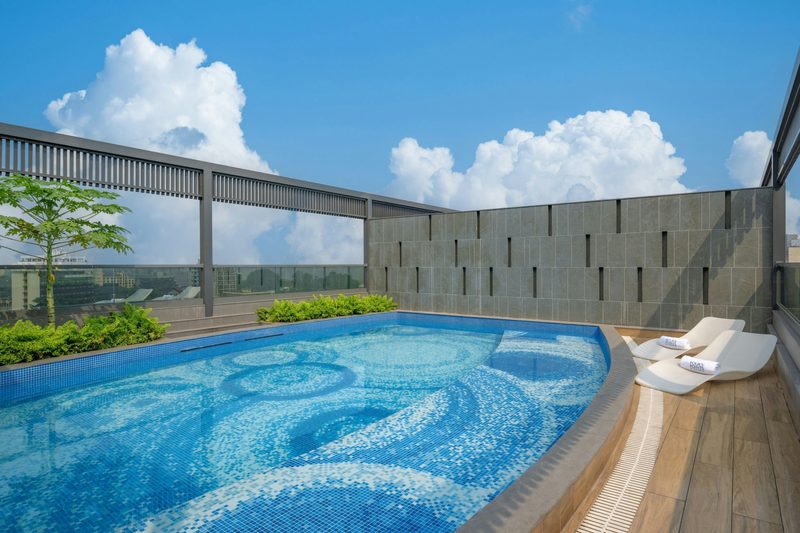
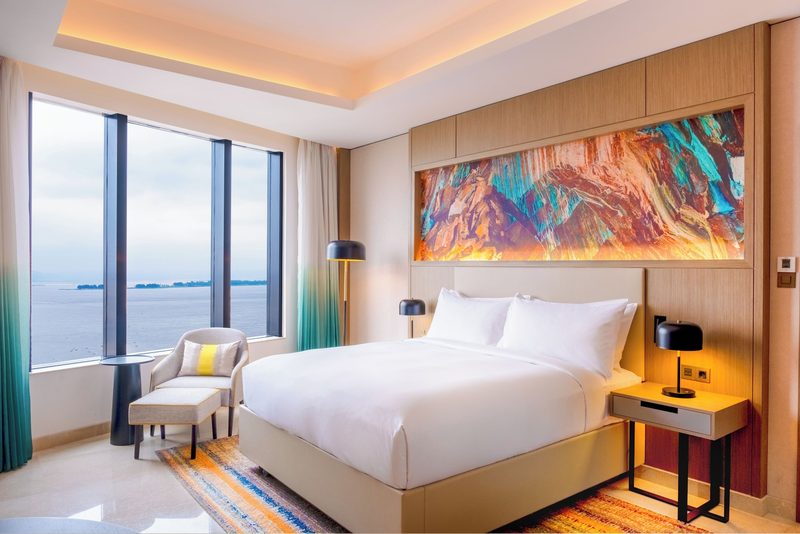
Where to Stay in Kinshasa in October
Hand-picked hotels across price tiers for October travellers.
Packing Checklist
Bookmark this page — your progress is saved between visits
Need the full list with shopping links?
Climate-specific gear, brand recommendations, and what to leave at home.
View Kinshasa Packing List →Essential Tips
Insider knowledge and common pitfalls to avoid
Insider Knowledge
Lingala, not French, is the language that opens Kinshasa. French works fine in hotel lobbies, government offices, and the Gombe district. In the markets, the taxi negotiations, the maquis where Kinois eat, Lingala is what the city speaks. Even a handful of phrases, mbote for hello, matondo for thank you, changes the temperature of every interaction. People grin. They slow down. They stop treating you as a transaction and start treating you as someone who bothered.
The best food in Kinshasa is in the parcelles, the residential neighbourhoods where Kinois eat, not the air-conditioned restaurants in Gombe that cater to diplomats and NGO staff. Pondu, cassava leaves pounded and slow-cooked in palm oil for hours until they turn dark, rich, and silky, served alongside a mound of fufu, is the staple. The version at a neighbourhood maquis, a casual open-air spot with plastic chairs and a charcoal kitchen, is better than anything you will find with a printed menu. Liboke, river fish wrapped in banana leaves and steamed with tomato, onion, and pili-pili pepper, fills the surrounding air with a smoky-sweet scent. For most visitors, this becomes the smell they associate with Kinshasa long after leaving.
Traffic is not a delay in Kinshasa. It is a structural condition. The 25 km (15.5 miles) to Lola Ya Bonobo can take ninety minutes or three hours depending on the day, the weather, and whether a truck has blocked a lane on the N1. Build double the time into every overland plan. Front-load important activities to early morning, when the roads are lightest. By 8 AM the main arteries are already thickening. By noon they are effectively frozen.
October's returning rains quietly reshape daily rhythms across the city. Kinois who spent the dry months socializing outdoors late into the night start moving earlier. They shop at the Grand Marche before midday heat compounds with afternoon humidity. They gather under covered terraces rather than open courtyards. Follow that local pattern. Kinshasa is at its most alive, most navigable, and most photogenic between about 6 AM and 11 AM. The afternoon belongs to the storms.
Avoid These Mistakes
Skipping antimalarial prophylaxis or treating it as negotiable. Kinshasa sits at roughly 4 degrees south latitude in a perennial malaria transmission zone. October's rains amplify the risk. Travelers who arrive thinking repellent alone will suffice get bitten anyway. Falciparum malaria can turn from mild symptoms to a medical emergency within days. This is the highest-stakes mistake a visitor to Kinshasa can make.
Treating Kinshasa like a walkable city you can explore on foot or navigate by hailing cabs. The metropolitan area stretches roughly 30 km (18.6 miles) across. Reliable public transit is limited. Road conditions shift dramatically between quartiers, after rain. Without a pre-arranged local driver or guide who knows which routes are passable and which neighbourhoods require caution after dark, you will lose entire days to transit problems or stumble into avoidable security situations.
Confusing the Democratic Republic of the Congo with the Republic of the Congo. They are two separate countries. Kinshasa and Brazzaville face each other across the river, two capitals just 1.6 km (1 mile) apart. Crossing between them requires a visa, a ferry ticket, and border formalities on both sides. Travelers who assume they can pop over for an afternoon learn otherwise at the port authority.
Short on time? See day trips around Kinshasa on GetYourGuide.
Ready to plan your trip to Kinshasa?
Now that you've got the research covered, here's where to go next.
Explore More Activities in Kinshasa
Didn't see anything interesting yet?
Browse Viator's full catalog of tours, day trips, food experiences, and private guides in Kinshasa.
See All Kinshasa Tours on Viator