Things to Do in Kinshasa in March
March weather, activities, events & insider tips
Low Season · Budget Friendly
March Weather in Kinshasa
Long-run averages for March
89°F (32°C)
High Temp
70°F (21°C)
Low Temp
8.7 inches (221 mm)
Rainfall
82%
Humidity
13
Sunny-Day UV
⚠ Flash flooding hits low-lying neighbourhoods and major intersections after heavy downpours. Areas around Limete, parts of Kintambo, and river-adjacent roads in Ngaliema face the worst. Standing water breeds mosquitoes. Road conditions stay unpredictable for days. Avoid these zones after storms.
⚠ Malaria risk spikes in March. Standing water from rains drives mosquito numbers up. Prophylaxis is essential. Mosquito activity peaks between dusk and dawn. Humidity plus pooled rainwater makes March one of the higher-risk months for transmission. Take your pills.
⚠ March thunderstorms hit hard. Lightning poses genuine danger during intense afternoon cells. Watch for dark cumulonimbus towers rising over the southern horizon. Get indoors when storms build. Never shelter under trees. Stay off the river.
Making the most of March in Kinshasa? Browse tours and activities in Kinshasa on GetYourGuide.
Is March Right for You?
Weigh the advantages and considerations before booking
Advantages
- + March lands squarely in Kinshasa's green season. Mango trees along Boulevard du 30 Juin hang heavy with fruit. The laterite hills around N'sele turn a shade of green you won't see during the June-to-August dry months. The city feels alive in a different register, lusher and slightly cooler in the mornings before the heat builds.
- + Tourist numbers in Kinshasa are low year-round, but March thins them further. At Lola Ya Bonobo sanctuary, the only place on earth you can observe bonobos in a semi-wild setting, you're likely sharing the forest walk with a handful of visitors rather than a crowd. That kind of access changes the experience entirely.
- + The live music scene, which is honestly the single best reason to spend time in Kinshasa, runs hotter when the rains keep people indoors at night. The bars and concert venues along Avenue de la Liberte in Matonge fill up early. The energy in the room when a rumba orchestra locks into a twelve-minute sebene build is something no recording captures.
- + Accommodation availability tends to loosen in March. The diplomatic and NGO circuit that fills Gombe's hotels year-round doesn't disappear. Rates are more negotiable. Last-minute bookings become possible in a city where they often aren't.
Considerations
- − The rain is not a drizzle. March delivers around 221 mm (8.7 inches) of rainfall, and it tends to arrive in concentrated afternoon and evening downpours that turn low-lying roads into temporary rivers. Routes through Limete and parts of Kintambo can become impassable for hours. Your afternoon plans will get cancelled at least twice during a week-long stay.
- − The humidity at 82 percent makes even short walks feel like an endurance test. Walking from a car to a building in Gombe at midday leaves you soaked in sweat. It's the kind of oppressive, clinging heat that drains your energy faster than you expect. It doesn't break at night the way dry-season heat does.
- − Infrastructure challenges multiply in the wet season. Power outages happen more frequently during storms. Cellular data slows to a crawl when towers overload. The already strained road network becomes unpredictable. A 3 km (1.9 mile) drive across Gombe can take fifteen minutes or ninety, depending on whether the afternoon storm has hit yet.
Settled on March? Compare hotel prices in Kinshasa for your dates on Trip.com.
Best Activities in March
Top things to do during your visit
March drops Kinshasa into the thick of its wet season, when afternoon downpours roll across the city with theatrical force. The sky darkens fast over the Congo River. Thunder cracks off the tin rooftops of Masina and Kintambo. Then the rain arrives: warm, heavy, vertical. It turns red-earth roads into ochre streams and fills the air with the mineral scent of laterite soil meeting water. Mornings, though, are another story. Before ten o'clock the city wakes under a haze of woodsmoke and charcoal from thousands of cookfires, the heat already climbing toward its average high of 32 degrees Celsius. By midday the air is dense and still, the sun glaring off the wide brown current of the river. The shade of mango trees along Boulevard du 30 Juin becomes a practical necessity rather than a preference. With average rainfall reaching 221 millimetres for the month, near the annual peak, March demands a different pace than the bone-dry July and August, when Kinshasa turns dusty and cool. That pace has its rewards. The rains keep the surrounding forests green and swollen with life, which matters enormously if you are heading to the primate sanctuaries and nature reserves that rank among the most compelling reasons to visit this part of Central Africa. The Congo River runs high and fast, its current pushing floating islands of water hyacinth past the Gombe waterfront. The vegetation along its tributaries is at its most extravagant, walls of green broken by splashes of flowering vines. Kinshasa's nightlife, centered in the Matonge district, does not slow down for rain. If anything, the storms give the city's legendary music scene an extra charge, with rumba and ndombolo pouring out of open-fronted bars as puddles steam on the pavement outside. Restaurants along the river serve grilled capitaine fish and saka-saka, pounded cassava leaves slow-cooked until silky and dark, that taste better when the air is thick and tropical. For travellers arriving from drier climates, the sheer biological intensity of Kinshasa in its wet months is the draw. This is a city where the equatorial forest presses in from every edge, and in March that forest is at full power. Safety is the question every first-time visitor to Kinshasa weighs. The honest answer is that the city rewards preparation more than spontaneity. Arrange ground transport through your hotel or a reputable operator. Carry photocopies rather than originals of documents. Stay aware of your surroundings in crowded areas like the Grand Marché. The hiking trails and nature reserves outside the city centre, the destinations that pull outdoors-minded travellers here, are best reached with a guide who knows both the terrain and the local context. March's rain makes some unpaved routes slippery and adds river crossings that are trivial in the dry season but demand care now. Guided excursions are not just convenient but safer.

Exclusive Lola Ya Bonobo Sanctuary Tour
private_tourThe Exclusive Lola Ya Bonobo Sanctuary Tour takes you to the only bonobo sanctuary on earth, set in a tract of equatorial forest about an hour's drive southeast of central Kinshasa. You arrive to the sound of high-pitched calls threading through the canopy. Bonobos vocalise constantly, and the effect in the damp morning air is otherworldly, somewhere between birdsong and human laughter. The sanctuary rehabilitates orphaned bonobos and houses several dozen individuals in semi-wild enclosures where you watch them groom, play, and nurse infants just metres away. You are close enough to smell the warm, musky scent of primate fur and hear the soft lip-smacking of a mother comforting her young.
This is the only place on the planet where you can observe bonobos, humanity's closest living relatives alongside chimpanzees, in a forested, semi-natural setting with knowledgeable guides who know each animal by name.
Insider tip: The morning feeding session, when caretakers scatter sugarcane and papaya across the forest floor, draws the bonobos into the open and produces the closest encounters. Arrive at the sanctuary by nine to catch it before the animals retreat into the canopy for their midday rest.
This month: March rains keep the sanctuary's forest lush and the bonobos well-fed on wild fruit. But trails can be muddy. Wear shoes with grip and expect damp undergrowth brushing your legs as you walk the paths.

Gorilla Full Day in Lesio Luna Reserve From Brazzaville
day_tripThe Gorilla Full Day in Lesio Luna Reserve departs from Brazzaville, across the river from Kinshasa, and takes you into a protected patch of gallery forest and savanna where western lowland gorillas have been reintroduced. The journey itself is part of the experience. You cross the Congo River by boat, watching the two capital cities, Kinshasa and Brazzaville, the world's closest national capitals, recede on opposite banks. The water beneath you is brown and muscular with current. Inside the reserve the soundscape shifts entirely, from the diesel horns and Congolese pop of the city to the crack of branches underfoot, the buzz of forest insects, and the deep, resonant chest-beat of a silverback asserting his presence somewhere in the green tangle ahead.
Encountering western lowland gorillas in a reintroduction reserve accessible by a short river crossing from one of Central Africa's largest cities is a combination that exists nowhere else.
Insider tip: Eat a solid breakfast before crossing the river. There are no reliable food vendors inside the reserve, and the walk to find the gorilla group can stretch to two hours depending on where they have moved overnight.

3 days Kinshasa Congo River and N'sele park experience
guided_experienceThe 3 Days Kinshasa Congo River and N'sele Park Experience is a multi-day guided immersion that threads together the city, the river, and the remnant parkland east of Kinshasa into a single arc. You spend time on the Congo River itself, the second-longest in Africa and arguably its most powerful, with a current that pulls floating debris past at startling speed. Then you move inland to N'sele Park, where the flat savanna grass in March stands waist-high and green after months of rain, rippling in the warm wind that comes off the river valley. In Kinshasa proper, the itinerary moves through the Académie des Beaux-Arts, the chaotic sensory overload of the Grand Marché where the smell of dried fish, palm oil, and smoked caterpillars hangs in the humid air, and the waterfront where fishermen cast nets into copper-coloured water at dusk.
This itinerary compresses Kinshasa's three defining elements, the megacity, the great river, and the equatorial wild, into a guided sequence that would take a solo traveller far longer to arrange and navigate safely.
Insider tip: Ask your guide to schedule the river segment for the late afternoon, when the light turns golden and the heat drops just enough to make sitting on the water pleasant rather than blistering. Morning river trips in March can start cool but turn punishing by eleven.
This month: The Congo River runs high in March, which means faster currents and more dramatic water levels but also limits some sandbar stops that are accessible during the dry season from June through August.

4 days Zongo falls, Bonobos and Kinshasa city experience
guided_experienceThe 4 Days Zongo Falls, Bonobos and Kinshasa City Experience is the most ambitious of the available itineraries, pushing north from Kinshasa to Zongo Falls, a thundering cascade on the Inkisi River where the water drops roughly sixty metres into a rocky gorge. The spray rises in a cool mist you can feel on your face from the viewing area above. The road north passes through villages where the smell of cassava flour drying on mats in the sun mingles with woodsmoke, and children wave from doorways. Combined with a visit to the bonobo sanctuary and a city tour that covers Kinshasa's key landmarks, the sharp-angled modernist tower of the Limete neighbourhood, the large Marché de la Liberté, the art studios of Matonge, this four-day package covers more ground than any other single offering in the region.
Zongo Falls is one of Central Africa's great natural spectacles, and pairing it with Kinshasa's bonobo sanctuary and urban culture in a single guided trip eliminates the logistical headaches that keep most independent travellers from reaching the falls at all.
Insider tip: The road to Zongo Falls is unpaved for long stretches and becomes rutted in the wet season. Sit in the front passenger seat for a less jarring ride, and bring a bandana to cover your nose and mouth against the red dust that vehicles ahead kick up on the few dry sections.
This month: March rains feed the Inkisi River at near-peak volume, making Zongo Falls significantly more powerful than during the dry months of June through August. The spray cloud is larger, the roar louder, and the surrounding forest canopy drips with moisture.
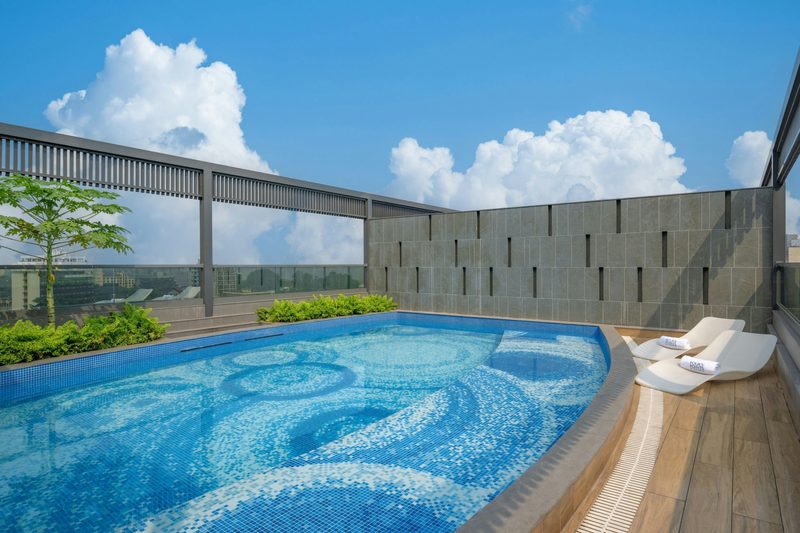
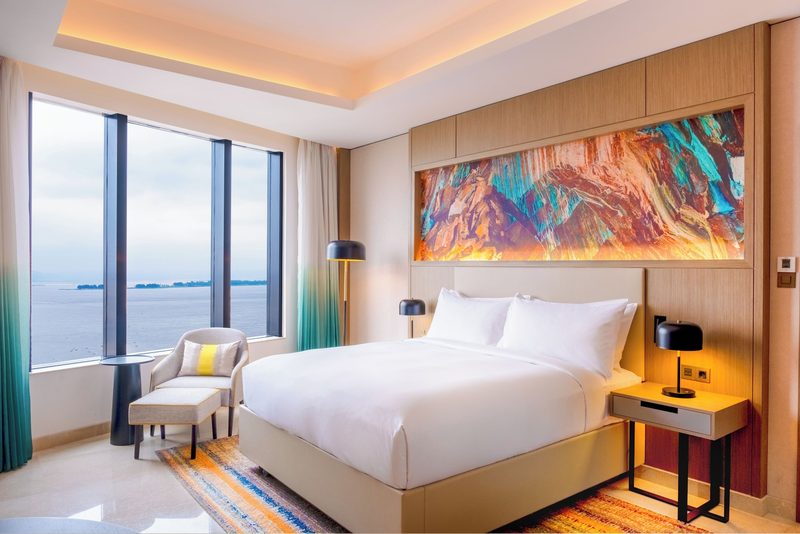
Where to Stay in Kinshasa in March
Hand-picked hotels across price tiers for March travellers.
Packing Checklist
Bookmark this page — your progress is saved between visits
Need the full list with shopping links?
Climate-specific gear, brand recommendations, and what to leave at home.
View Kinshasa Packing List →Essential Tips
Insider knowledge and common pitfalls to avoid
Insider Knowledge
Arrange your airport transfer before landing at N'djili International. Walking out without confirmed pickup invites chaos. Unofficial fixers swarm. Prices inflate. Your accommodation can coordinate this. Pay whatever it costs. The drive from N'djili to Gombe runs 25 km (15.5 miles). It takes forty-five minutes to two hours. March traffic worsens dramatically after storms. Flooded intersections create gridlock. The whole city seizes up.
Carry small-denomination bills always. Change is chronically scarce in Kinshasa. Vendors, taxi drivers, and market sellers cannot break large notes. US dollars work. Clean, post-2006 condition only. Gombe accepts them. Larger transactions too. But Congolese francs rule markets, street food, and local transport. Exchange at established bureaux in Gombe. Never on the street.
Skip hotel restaurants. Eat at neighbourhood level instead. Ngaliema's open-air spots along the river serve grilled capitaine fish. Whole fish butterflied over charcoal. Skin crackles. Flesh stays moist. This is Kinshasa's signature meal. Pondu beats anything on a hotel menu. Slow-cooked cassava leaves pounded to dark green paste. Palm oil. Smoked fish. Served over fufu. Every Kinois grew up eating this. It reveals the city's palate. March brings peak mango season. Roadside stalls stack them high. Absurdly sweet. Juice runs down your forearms in the heat.
Never photograph government buildings. No military personnel. No police checkpoints. Enforcement is unpredictable and serious. Confiscated phone is your best outcome. Prolonged security encounter is worse. Ask before photographing people in markets and residential areas. Most Kinois welcome it when asked. They resent it when not. Respect is transactional here. Courtesy opens doors. Pushiness slams them shut.
Avoid These Mistakes
Do not underestimate distances and travel times. Kinshasa sprawls across roughly 10,000 square km (3,861 square miles). The road network cannot handle the population. A twenty-minute drive on the map takes ninety minutes in March. Flooded junctions compound the traffic. Build double the time into every plan. Front-load outdoor activities before noon. Roads stay passable then. Rain has not started.
Kinshasa is not a walking city. Forget that idea. Distances between points of interest are too great. Sidewalks barely exist. The heat overwhelms. Security concerns persist. Walking long distances is impractical for visitors. Arrange a driver for the day. Use your accommodation or a licensed operator. This is not luxury. It is basic logistics. The city was not built for pedestrian tourism.
Do not assume you can photograph freely. Do not wander into any neighbourhood without local guidance. Kinshasa rewards curiosity. It punishes carelessness. Matonge at night is safe and welcoming with someone who knows the terrain. Walking alone after dark in unfamiliar outer communes is a risk. Experienced travelers avoid it. Every search result raises the safety question. Here is the real answer. Kinshasa is navigable. Sometimes thrilling. rewarding. But it demands situational awareness and local knowledge. Most tourist-circuit cities do not.
Short on time? See day trips around Kinshasa on GetYourGuide.
Ready to plan your trip to Kinshasa?
Now that you've got the research covered, here's where to go next.
Explore More Activities in Kinshasa
Didn't see anything interesting yet?
Browse Viator's full catalog of tours, day trips, food experiences, and private guides in Kinshasa.
See All Kinshasa Tours on Viator